

 RSS Feed
 Follow us on Twitter
 Star YouTube Channel



Dear Readers,
DW is a 58-year-old man who works as a grounds- man at a Corporate Area high school. Only recently he has been told that he has early prostate cancer. He has seen a urologist at a hospital clinic and, so far no real treatment has been given. DW says that they, are watching his condition and will do prostate tests often to monitor the situation. He asks Lifeline if this is safe to do. How at risk is he as it is cancer? And "does the prostate perform any real function? Does he need this gland?"
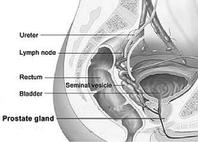
The prostate gland is a walnut-size male organ which surrounds the urethra, which is the tube through which urine and semen pass. The prostate produces a clear fluid which contains nutrients for the sperm and is added to the sperm produced in the testicles during the process of ejaculation. The prostate gland is not essential for male potency or male fertility and, except for the fluid it produces, it has no other use in the male body.
Prostate cancer is the most common cancer found in men. It mainly affects middle-age, and older men, and most of these cancers are slow growing and are present for many years before exhibiting any symptoms. When symptoms occur they include:
urinary blockage
passing blood in the urine
Men who eat a diet high in fat and those who have relatives with prostate cancer are at a higher risk for this disorder. Black men are also at a higher risk for prostate cancer as are men over age 65 years old. Nevertheless, prostate cancer is very common in men, whether they have risk factors or not.
prostatic tissues
The management of prostate cancer depends on how aggressive the cancer is and on how far it has progressed at the time it is discovered. This is determined after biopsy of the prostate when samples of the prostatic tissues are examined under a microscope.
Stage 1 cancer: The tumour is very small and cannot be felt by direct examination
Stage 2 cancer: The tumour growth is in one or both of the lobes of the prostate and can be felt on direct examination, but is contained within the prostate gland.
Stage 3 cancer: Tumour spreads outside the prostate gland but remains locally, nearby.
Stage 4 cancer: Tumour has spread into surrounding tissues such as the bladder or rectum.
The pathologist examines the tissue samples to determine the degree of aggressiveness of the cancer and will determine if the cancer is 'low grade', 'intermediate grade' or 'high-grade'. High-grade tumours are the most aggressive.
Using the information outlined above, in conjunction with the age of the person with the cancer, a unique and individualised treatment plan is determined for each individual. The treatment can have side effects which affect sexual function and even urinary continence. Some erectile dysfunction can occur which can be treated, but sometimes it is permanent. Some men also experience different degrees of leaking of urine. These side effects do not have to occur but can happen .
In view of the possible side effects, a new method called 'watchful waiting' is now being advanced in the management of prostate cancer. Depending on the age of the individual, and if the cancer is small and low grade and is thought to pose little threat, then the management might be observation and monitoring of the cancer. Using the Prostate Specific Antigen (PSA) test and the Direct Rectal Examination (DRE) test and even occasional re-biopsy of the prostate gland, the doctor reassesses the status of the cancer, checks if it is the same or if it is growing, and makes decisions at the time of assessment. Some individuals are stressed with this repetitive process and may request surgery. This method of treatment is only considered for men with early and non-aggressive prostate disease. Other treatment modalities include:
Radical prostatectomy alone
External radiation therapy
Brachytherapy (seeding of radioactive material
into the prostate)
Hormonal therapy
A combination of some of the above
Lifeline has now provided DW with information which he can use to understand some of the decisions being made in his treatment and why they are made. He can now also take part in some decision- making in the management of his illness, based on his own individual needs. Knowledge is always power.
Write to: Lifeline
PO Box 1731,
Kgn 8
- AJM

